Technology continues to redefine how industries operate, raising expectations for performance, safety, and reliability year after year. From automation on factory floors to advanced data analytics powered by artificial intelligence, innovation is driving measurable change. The freight transportation sector is experiencing the same shift. One of the most influential technologies supporting this evolution is telematics, which enables real-time visibility into vehicle activity and fleet performance.
What Telematics Means for Freight Fleets
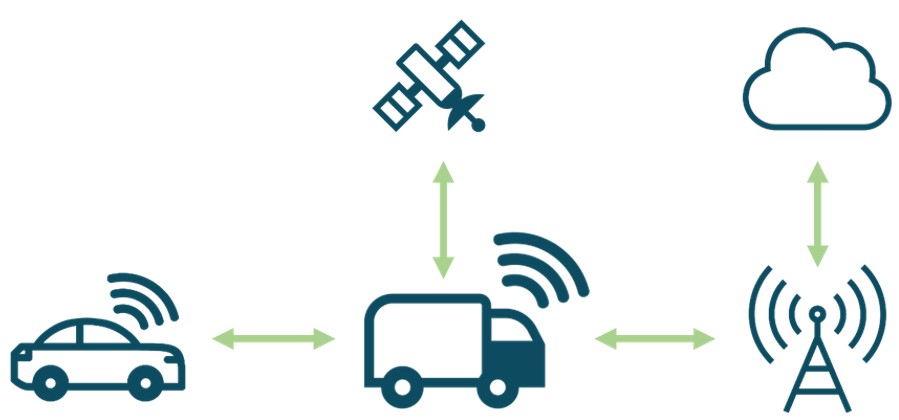
Telematics brings together telecommunications and data analytics to collect and transmit information from vehicles in motion. Within freight and logistics, it refers to systems that use GPS tracking and onboard sensors to monitor vehicle location, mechanical health, and driver behavior.
These platforms capture data such as fuel usage, engine performance, braking patterns, idle time, and route progress. That information is sent to centralized dashboards where fleet managers can analyze trends and identify opportunities for improvement. With consistent access to real-time insights, fleets are better positioned to enhance safety, control expenses, and maintain dependable operations.
Often called vehicle or fleet telematics, the technology serves a shared purpose. It provides actionable data that allows fleets to operate more efficiently and make informed decisions across every level of the organization.
Improving Day-to-Day Fleet Performance
One of the primary benefits of telematics is its impact on safety and efficiency. Monitoring driver behavior helps identify risky patterns such as speeding, aggressive braking, or excessive idling. Fleet managers can then address these behaviors through coaching and training, reducing accident risk and supporting safer driving habits. Over time, this creates stronger accountability and a more professional driving culture.
Telematics also supports proactive maintenance strategies. By continuously tracking diagnostic data, potential mechanical issues can be identified before they lead to breakdowns. Early intervention helps extend vehicle lifespan, minimize repair costs, and prevent unexpected delays.
Regulatory compliance is another area where telematics adds value. Systems can automatically track hours of service, document routes, and verify inspection schedules. When questions arise, detailed records provide clarity and protection for both drivers and fleet operators.
The combined effect is a smoother, more reliable operation. Reduced downtime, improved safety, and greater consistency contribute to better service delivery and long-term cost savings.
The Move Toward Smarter Logistics Systems
Telematics adoption continues to accelerate across the global freight industry. Fleets of all sizes are using the technology to gain clearer insight into performance and improve decision-making.
As these systems advance, they are increasingly paired with AI, automation, and predictive analytics. This integration allows fleets to anticipate challenges instead of reacting to them. With improved forecasting and planning, logistics operations become more agile and better equipped to meet changing demands.
Telematics has evolved beyond basic tracking. It is now a core component of modern fleet management, supporting safer operations, higher efficiency, and more sustainable transportation networks.
For more information on telematics and how it can be used to improve operations, please see the accompanying resource from Track Your Track, a vehicle tracker company.
