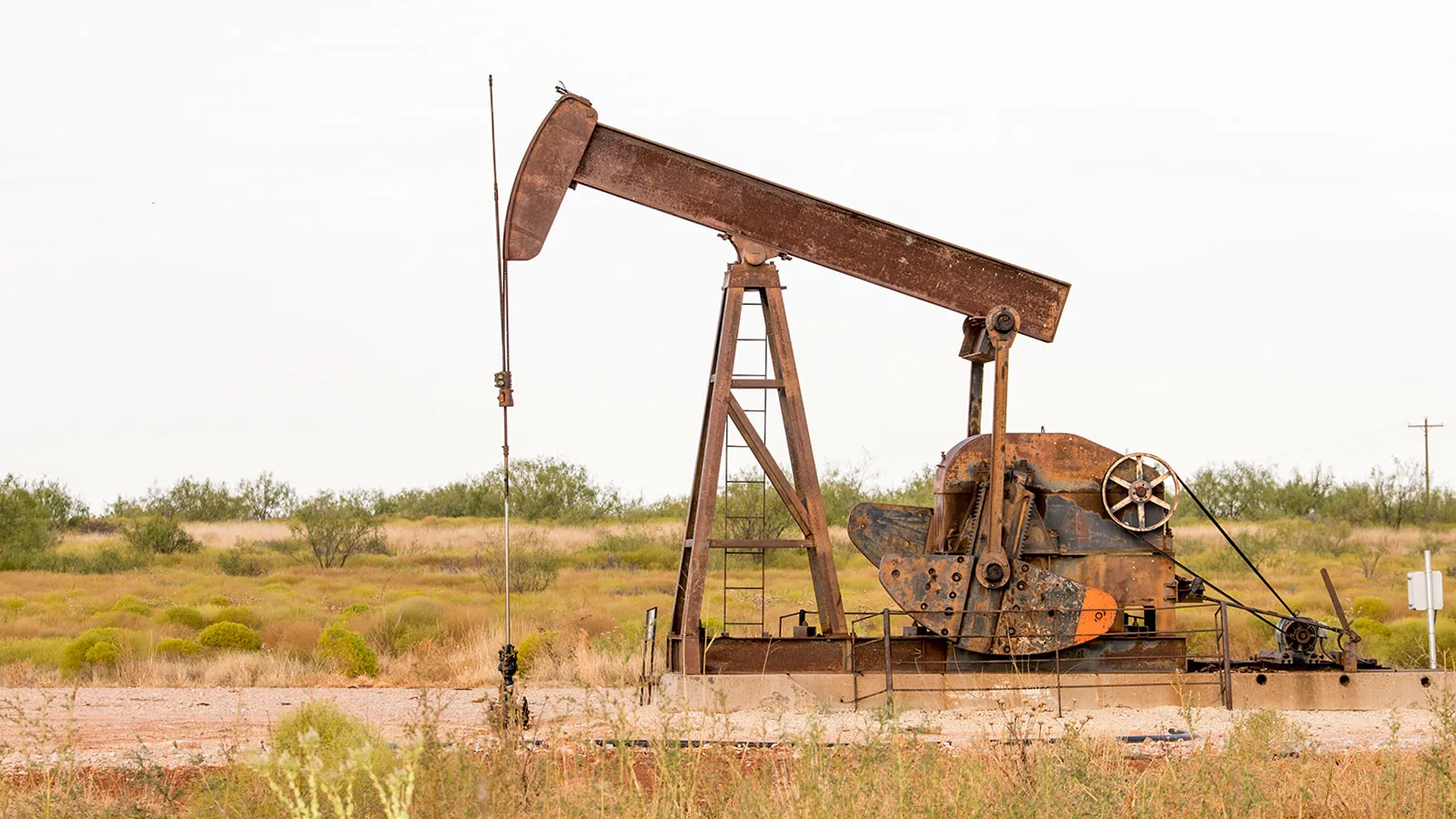
Drive past an old oil field and you might assume the pumpjacks nodding away are running on fumes. The truth is more interesting. Many of those wells were drilled a decade or two ago using methods that look almost primitive next to what crews use today, and the rock underneath them still holds plenty of oil and gas.
That gap between what was pulled out the first time and what’s still down there has opened up a quiet but fast-growing corner of the energy business. Instead of drilling fresh wells, operators are going back into existing ones, cleaning them up, and giving them another productive run.
The case for revisiting old wells
Drilling a brand new shale well isn’t cheap, and the best rock in any basin gets developed first. As that prime acreage fills up, the math starts to favor a different approach: going back to wells that are still standing but no longer producing what they used to.
A well’s decline usually has less to do with the reservoir running dry and more to do with the plumbing breaking down. Fractures lose their conductivity, sand and scale build up, and the chemistry of the fluids inside the well slowly shifts. The hydrocarbons are still there. The path to get them out has narrowed.
That’s why the industry has warmed back up to restimulation work. Tight oil plays now account for a sizable share of U.S. crude output, and the numbers make it clear that squeezing more out of existing wells matters at a national scale, not only on a single operator’s balance sheet.
What a refrac actually does
A refrac, short for refracturing, is a second stimulation treatment performed on a well that was already fracked once. The goal is to reopen old fracture networks, create new ones where the original job missed, and restore conductivity so oil and gas can move freely again.
Modern refracs lean heavily on chemistry. Operators run diagnostics on the well, study the production history, and design a fluid system that targets the specific reasons the well faded. A detailed walkthrough of how chemistry-driven restimulation works explains how different additives clean fracture faces, dissolve scale, and improve fluid flow through the reservoir.
It’s a far cry from the brute-force approach of the early shale era. The thinking now is closer to a doctor running labs before prescribing, not handing out the same pill to every patient.
Why chemistry sits at the center of the work
Pumping fluid down a well is the easy part. Picking the right fluid is where the science earns its keep. Each well has its own personality, shaped by the rock type, the original frac job, and the years it spent producing.
- Scale and solids removal. Over time, mineral scale and fine solids choke off the fracture network. Targeted chemistries dissolve those blockages so flow paths re-open.
- Surface tension control. Surfactants help oil and water move through tight pore spaces instead of getting stuck, which can be the difference between a strong restart and a flat one.
- Compatibility with reservoir fluids. The wrong chemistry can react badly with what’s already in the well, creating emulsions or precipitates that make things worse. Lab work up front avoids expensive surprises.
- Corrosion and bacteria control. Older wellbores have aging steel and microbial activity. Protective additives keep the tubing intact and stop sour gas problems before they start.
The economics behind the trend
Refracs appeal to operators because they sidestep some of the biggest costs of a new well. The pad is already built, the wellbore is already there, and the permits often carry over. Crews aren’t paying to drill thousands of feet of new hole.
On the broader policy side, federal agencies have funded research into improved recovery techniques for years, partly because keeping mature wells productive reduces the need to disturb new ground. That overlap between economics and environmental footprint is a big reason restimulation keeps gaining attention.
There’s also a workforce angle. Refrac work uses the same service crews, the same trucks, and the same logistics networks that built out the shale boom. Putting that capacity to work on existing wells smooths out the boom-and-bust cycles that have bruised oilfield communities for decades.
What to watch next
Expect refrac programs to keep expanding wherever Tier 1 drilling inventory is thinning, which describes a lot of the older parts of the Permian, the Eagle Ford, and the Bakken. The candidates that get picked first will be wells with strong original production curves and clean mechanical histories.
Watch the data side, too. Operators are pairing refracs with better diagnostics, fiber-optic monitoring, and machine learning models that flag which wells are most likely to respond. The combination of sharper chemistry and sharper data is the real story behind the comeback of these aging wells.
Old wells, in other words, aren’t done talking. They just needed someone to listen a little more carefully.